
Poor sanitation and open defecation continue to expose children and families in Hwedza District to diarrhea, cholera, dysentery and other preventable waterborne diseases. In response, SOS Children’s Villages in Zimbabwe, Hwedza Family Strengthening Program (SOS CVZ Hwedza FSP), working together with Government departments and local leaders, is supporting communities to take ownership of sanitation and hygiene through community led interventions. The program is being implemented across Wards 1, 2, 3, 4 and 14 in Hwedza, areas largely made up of former resettlement farms where access to safe water and sanitation facilities remains critically low.
“Household and institutional WASH facilities are still very low, putting children and adults at very high risk of contracting WASH related infections,” said Mr. Micky Gwenhe Health and Education officer for SOSCVZ Hwedza FSP.
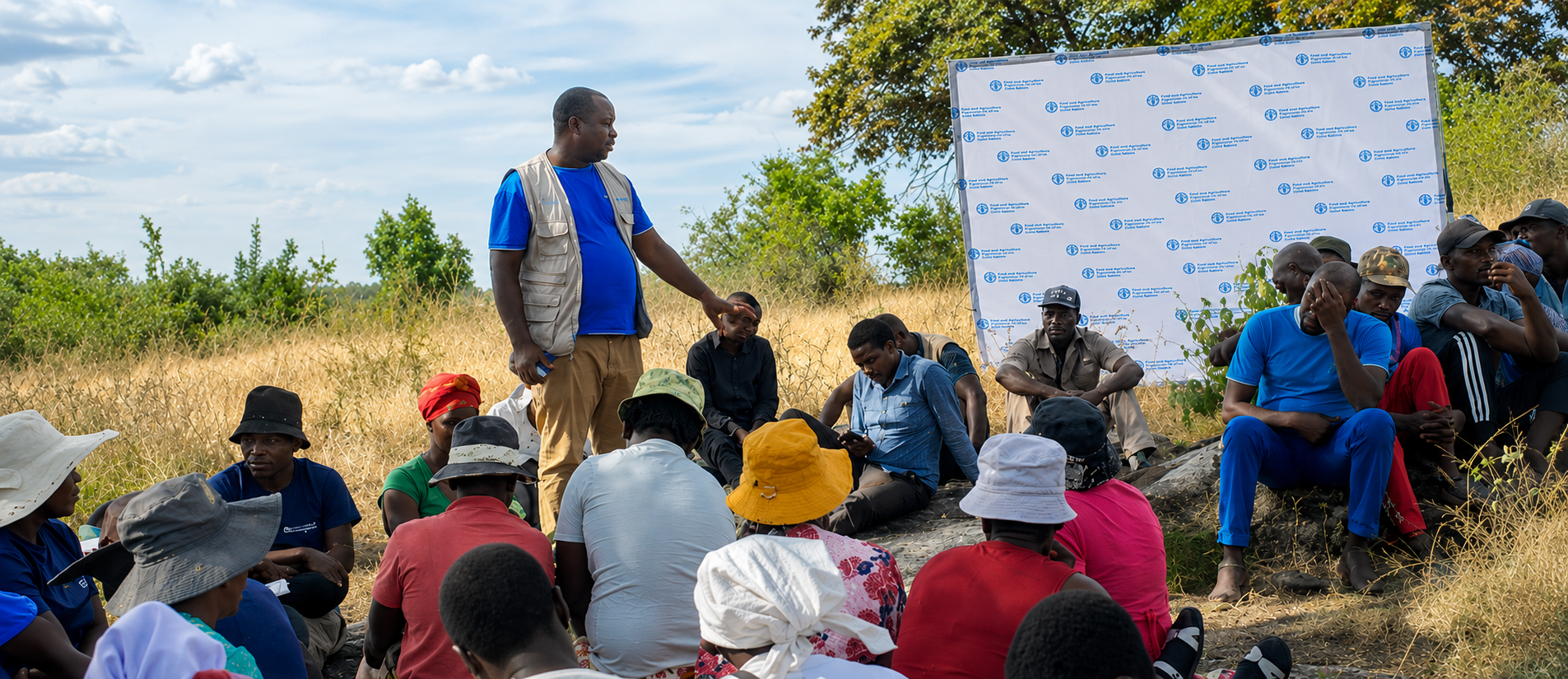
In Ward 4, communities from Rundu and Goto villages gathered for a sanitation triggering exercise under the Sanitation Focused Participatory Health and Hygiene Education (SafPHHE) approach. The initiative was led by the District Water Supply and Sanitation Committee together with Ministry of Health and Child Care officials.
The exercise encouraged communities to confront the dangers of open defecation and poor hygiene practices. Villagers participated in discussions and a transect walk where they observed how human waste contaminates the environment and eventually affects food and water sources.
One of the most impactful demonstrations showed how flies transfer contamination from human waste onto food consumed by families. The session triggered strong reactions from community members and sparked urgent conversations around the need for proper sanitation facilities. Community members acknowledged that poor sanitation was contributing to the high burden of diarrheal diseases affecting the ward.
“This is very evident that we are eating human faecal matter through our drinking water and improvised toilets mostly,” said one community member during discussions.
The intervention also highlighted the economic burden of preventable diseases. Facilitators compared the cost of constructing a basic toilet, estimated at around US$99, to the much higher costs associated with treating severe diarrhoeal diseases, hospitalisation and funeral expenses.
“Prevention is better than cure. Illness and treatment of a disease is far more expensive than preventing it,” said Mr. Gwenhe.
Beyond raising awareness, the program seeks to strengthen long term community ownership of health and hygiene practices. Communities are being encouraged to construct safe household latrines and adopt behaviors that protect children and families from disease outbreaks.
The sanitation initiative supports broader efforts to strengthen family resilience under the SOS Children’s Villages Family Strengthening Programme, which aims to help households become self-reliant and able to provide safe and healthy environments for their children.
By the end of the exercise, community members had already begun discussing practical steps to improve sanitation in their villages, including digging pits and building proper toilets. The intervention reflects the growing importance of community driven solutions in improving public health outcomes and advancing access to safe water and sanitation in vulnerable rural communities. With continued support and investment, more families in Hwedza can move towards healthier living conditions where children are protected from preventable waterborne diseases and communities are empowered to sustain positive change.